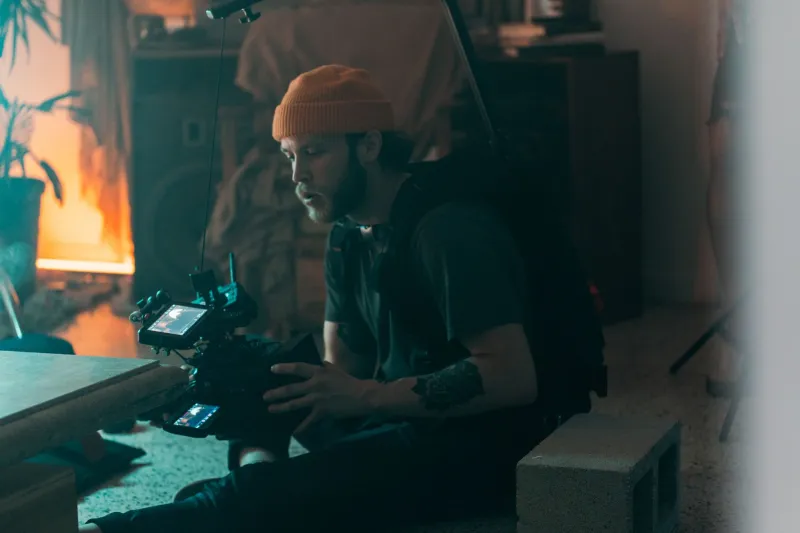
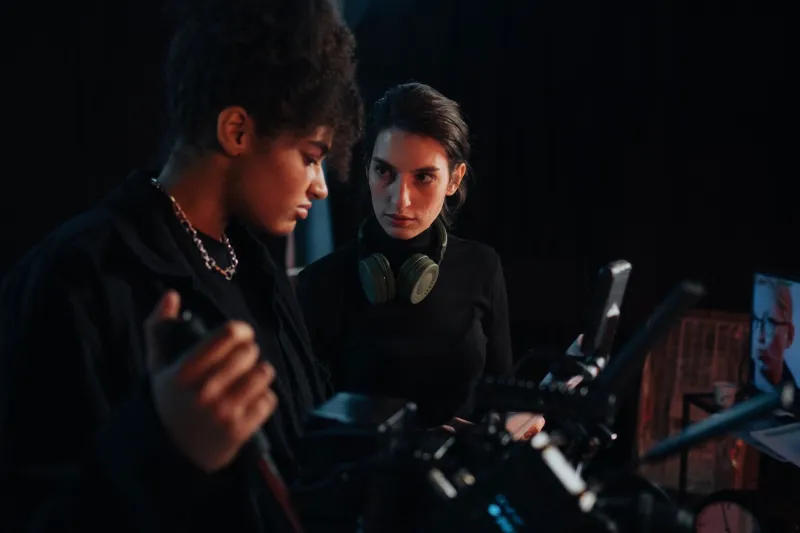
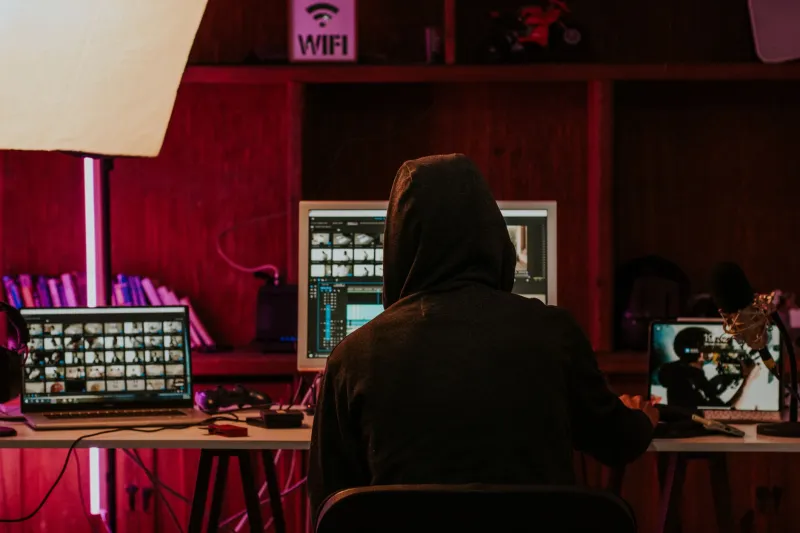
Show Your Work: How Indie Creators Are Cashing In on Creative Transparency
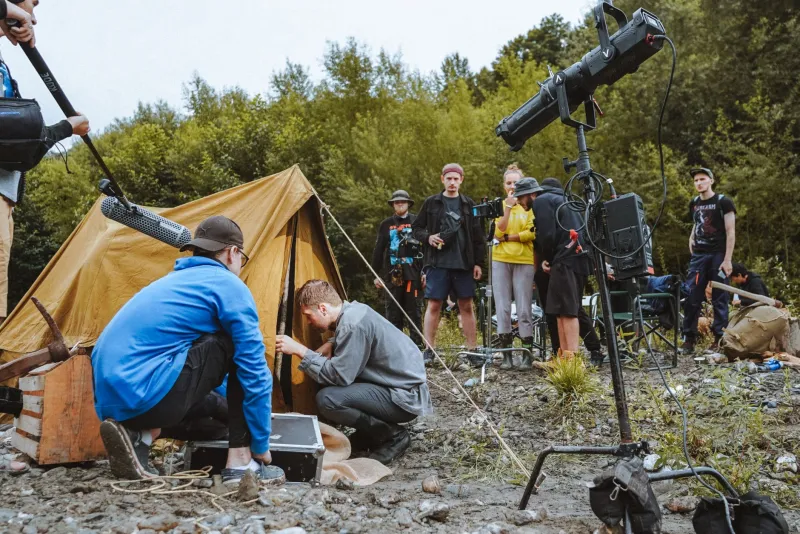
There's a running joke in indie film circles that the best content you'll ever make is the stuff you filmed while trying to make the actual content. Bloopers, workarounds, duct-tape solutions, that one afternoon where everything went sideways and somehow you still got the shot — audiences are eating it up. And the creators who've figured this out aren't treating it like a happy accident. They're building entire strategies around it.
Welcome to what some are calling the authenticity economy. It's not a buzzword. It's a genuine shift in how independent filmmakers and content creators are connecting with their audiences — and frankly, it's changing the rules of the game.
The Mystique Is Dead. Long Live the Process.
For decades, Hollywood operated on mystique. The studio system was built on distance — stars were untouchable, productions were secretive, and the finished product was all you were supposed to see. That worked when distribution was controlled and audiences had no other option.
But the internet blew that model wide open, and streaming finished the job. Now audiences don't just consume content — they follow creators. They subscribe to people, not platforms. And what they want from those people isn't a perfectly curated highlight reel. They want to know what it actually feels like to make something.
Indie creators figured this out faster than the studios did, partly out of necessity. When you don't have a PR team managing your image, showing your process isn't a risk — it's a resource.
Behind the Scenes Isn't a Bonus Feature Anymore
Talk to any indie filmmaker who's built a real online following in the last few years and you'll hear some version of the same story: they started posting the behind-the-scenes stuff almost as an afterthought, and it outperformed everything else.
That's not a coincidence. Process content works because it does something polished content can't — it creates investment. When someone watches you struggle through a lighting setup, troubleshoot a sound issue on location, or completely rethink a scene because the weather didn't cooperate, they become a stakeholder in your project. By the time the finished film drops, they're not just a viewer. They're a fan who was there for the journey.
This is the core mechanic of what's happening right now in independent content creation. It's less about showing off and more about bringing people along. The distinction matters.
Failure Is Footage
One of the more counterintuitive things about this trend is how openly creators are sharing their failures. Not just the charming kind of failure — the real stuff. Budget shortfalls. Casting decisions that didn't pan out. Scripts that had to be torn apart and rebuilt. Technical disasters that pushed shoot days back.
Creators who lean into this aren't just being brave. They're being smart. Vulnerability builds trust faster than almost anything else, and trust is what converts a casual viewer into a loyal supporter who buys the merch, backs the crowdfund, and tells their friends about your work.
There's also a practical element here for other creators in the audience. When a filmmaker documents how they solved a specific problem — say, how they faked a wide exterior shot on a shoestring budget, or how they recut a scene that wasn't working — that content has genuine utility. It educates while it entertains, and that combination has serious staying power.
Building Community, Not Just an Audience
The creators who are doing this best aren't just broadcasting their process — they're turning it into a conversation. Comments sections become brainstorming sessions. Followers suggest solutions to problems that got posted the night before. Early supporters feel ownership over projects they've watched develop from concept to completion.
This is a fundamentally different relationship than what traditional media ever offered. And for indie creators working without studio infrastructure, it's an incredible advantage. You're not just building an audience — you're building a community that has a genuine stake in seeing you succeed.
Some filmmakers have taken this even further, offering tiered access through platforms like Patreon or Substack where supporters get deeper looks at the process — rough cuts, script drafts, production journals — in exchange for direct financial support. The process itself becomes the product, at least partly. And audiences are willing to pay for that access.
What Hollywood Is (Slowly) Learning
Here's the thing — the studios aren't completely blind to this. You've seen the making-of content, the cast interviews, the social media takeovers. But there's a fundamental difference between a carefully controlled behind-the-scenes featurette produced by a marketing department and a filmmaker genuinely posting from a stressful shoot day because they want their audience to understand what this actually costs.
One is managed perception. The other is real connection. Audiences know the difference, even if they can't always articulate it.
Indie creators have an authenticity advantage that no studio can fully replicate, because the transparency only works when it's genuine. The moment it feels like a strategy — ironically — it stops working as one.
How to Actually Do This Without Oversharing
None of this means you should document every minute of production or turn your channel into a therapy session. There's a craft to process content just like there's a craft to anything else.
The creators who do it well are intentional about what they share and how they frame it. They're not just dumping raw footage — they're telling the story of the making, which is its own narrative with its own arc. The struggle has to lead somewhere. The problem has to get solved, or at least genuinely grappled with. The audience needs to feel like they're watching someone who cares deeply about what they're making, not someone who's just filling a content calendar.
Think of it as parallel storytelling. You're making two things at once — the project and the story of the project. Both deserve real creative attention.
The Bigger Picture
At its core, this shift is about what audiences actually want right now, which is connection. Not perfection. Not polish. Not the illusion that great work appears fully formed from some mysterious creative ether. They want to see the human being behind the camera — the one who's figuring it out, making it work, and caring enough to keep going even when it's hard.
For indie creators, that's not a vulnerability. That's the whole advantage.
The authenticity economy rewards people who show up honestly. And right now, nobody's better positioned to do that than the independent filmmakers and creators who've always had to make something out of nothing — and aren't afraid to let the world watch.