Scattered Everywhere, Focused on Everything: How Remote Indie Teams Are Winning the Production Race
There's a running joke in certain indie filmmaking circles: the best editing note you'll ever get comes at 11 PM from someone three time zones away who just finished their coffee. Laugh if you want, but behind that joke is something genuinely disruptive happening in the production world right now.
Remote indie teams — crews pieced together from Brooklyn apartments, Austin bungalows, Denver home offices, and the occasional co-working space in Portland — are producing work that's turning heads. Not just passable work. Good work. Work that's landing festival slots, securing distribution deals, and attracting brand partnerships that used to be reserved for studios with physical addresses and parking lots.
So what's actually going on here?
The Office Was Never the Magic
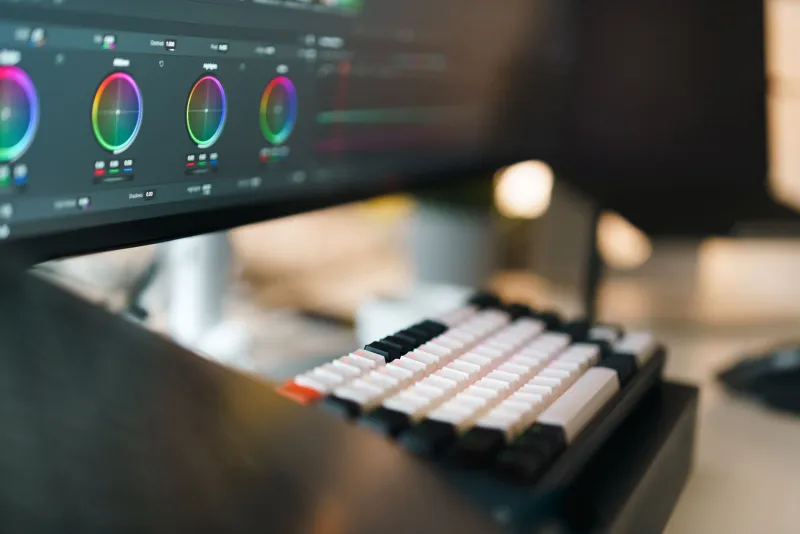
Let's be honest about something the traditional production world has been slow to admit: the physical studio was always more about optics than output. Yes, proximity helps in certain moments — the energy of a live shoot, the spontaneous hallway brainstorm. But the actual making of a film or video project? That's mostly solitary, focused work. Editing is solitary. Sound design is solitary. Color grading is solitary. Writing is definitely solitary.
When COVID forced the industry to rethink everything, a lot of indie producers discovered that stripping away the commute and the conference room didn't hurt their output at all. For many, it improved it.
"I used to spend two hours a day in a car just to sit in meetings I could've handled over Slack," says one LA-based producer who now runs a five-person remote team with collaborators in Chicago, Atlanta, and Austin. "Now that time goes directly into the work. The math isn't complicated."
The Asynchronous Advantage
Here's where it gets interesting for production specifically. The traditional studio model runs on synchronous time — everyone in the same place, on the same clock, responding in real time. That works for a live shoot. It doesn't necessarily work for the months of pre- and post-production surrounding it.
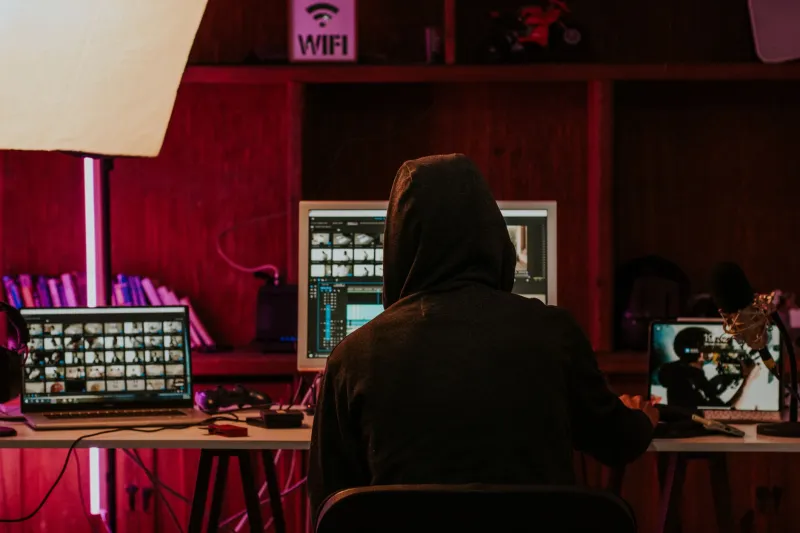
Remote teams have largely shifted to asynchronous workflows, and for creative production, that turns out to be a genuine advantage. When your colorist in Nashville finishes a pass and drops notes in Frame.io before they log off, your editor in Philadelphia wakes up to actionable feedback already waiting. The project keeps moving while people sleep. Round-the-clock production without anyone burning out on a 16-hour day.
Tools like Frame.io, Notion, Slack, and Dropbox Replay have matured to the point where the friction of remote review-and-approval cycles is genuinely low. The early days of emailing massive QuickTime files and hoping the client could open them are long gone. Today's platforms are built for exactly this kind of distributed, iterative creative work.
Trust Is the Real Infrastructure
But here's the part that doesn't show up in any app store listing: the teams making this work aren't just using the right software. They've built cultures of trust and accountability that most traditional studios, weirdly enough, never had to develop.
When you can't walk over to someone's desk to check in, you have to actually communicate. Expectations get written down. Deadlines get respected because they're visible to everyone. Creative feedback gets more specific because vague notes don't survive a Slack thread the way they might survive a face-to-face conversation where tone fills in the gaps.
"Remote work forced us to be better communicators," says a documentary producer based in Denver who's worked with crew members in seven states on her last two projects. "You can't rely on body language or 'let's just talk it through.' You have to actually say what you mean. That clarity shows up in the work."
The Talent Pool Problem — Solved
One of the most underappreciated advantages of going remote is what it does to your access to talent. A traditional studio in, say, Nashville is hiring from Nashville. A remote indie operation is hiring from everywhere.
That's not a small thing. The best colorist for your project might be in New Mexico. The sound designer who truly gets your tone might be in Philadelphia. The motion graphics person who can execute your vision with their eyes closed might be working out of a studio apartment in Minneapolis. Geographic constraints used to mean you settled. Remote work means you don't have to.
For indie productions without the budget to relocate people or pay relocation packages, this is transformative. You can build a team that's genuinely optimized for the project rather than optimized for whoever happens to live nearby.
What Still Doesn't Work Remotely
To be fair — and this is an industry trends piece, not a sales pitch — there are real limitations worth naming.
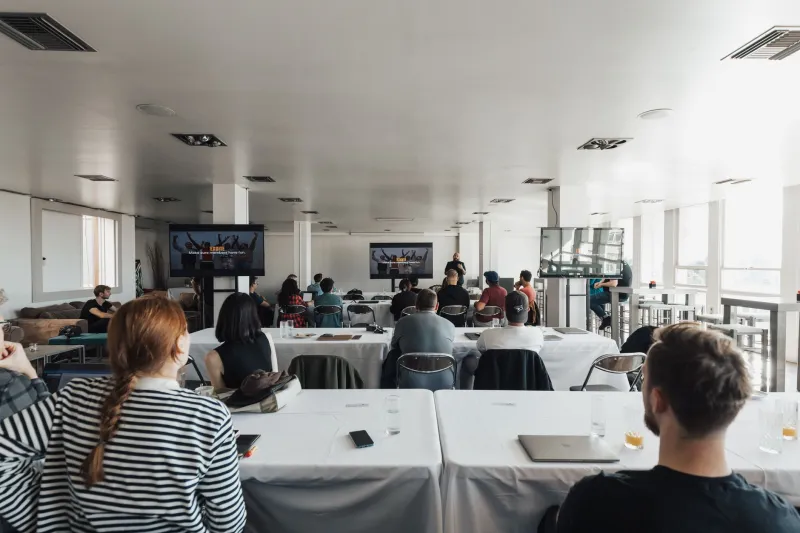
Pre-production creative chemistry is harder to build remotely. The kind of loose, generative conversation that happens over lunch or during a production walk-through is genuinely difficult to replicate on a Zoom call. Some collaborators find that the relationship-building phase of a project requires at least some in-person time before the distributed workflow kicks in.
Production days themselves obviously require physical presence (with some exceptions for animation and fully remote content formats). And certain types of client relationships — particularly with brands that want to feel like active participants in the creative process — can strain under fully remote conditions.
The producers making this model work tend to be strategic about when they invest in in-person time and when they lean into the distributed workflow. They're not ideological about it. They're practical.
The Bigger Picture
What's happening with remote indie production teams isn't just a pandemic-era workaround that stuck around. It's a structural shift in how creative work gets organized. The studios that thrive in the next decade won't necessarily be the ones with the best address — they'll be the ones with the best systems, the clearest communication cultures, and the flexibility to pull together the right people for the right project regardless of zip code.
For indie creators, that's genuinely good news. The barriers to building a serious production operation have never been lower. The tools are accessible, the talent is findable, and the old gatekeeping logic of "you have to be in LA or New York to play" is quietly becoming obsolete.
The production race is still on. It's just being run from a lot more places at once.