Gloriously Broken: Why Indie Creators Are Letting the Seams Show on Purpose
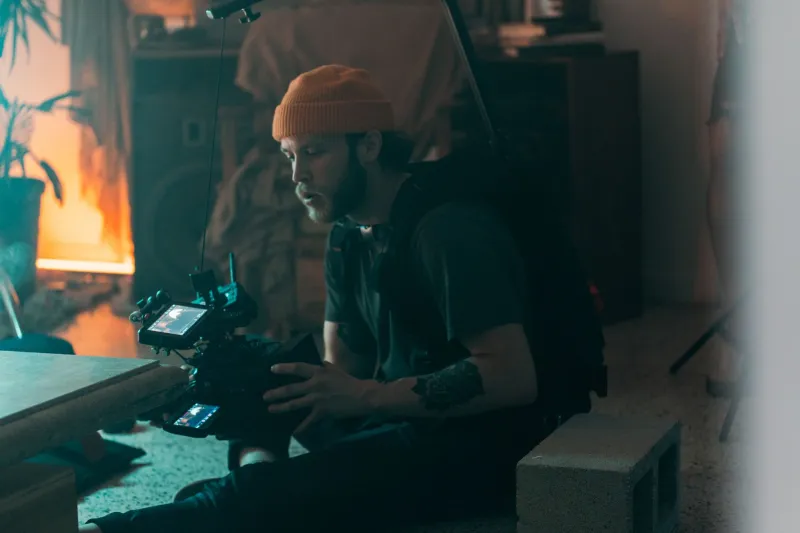
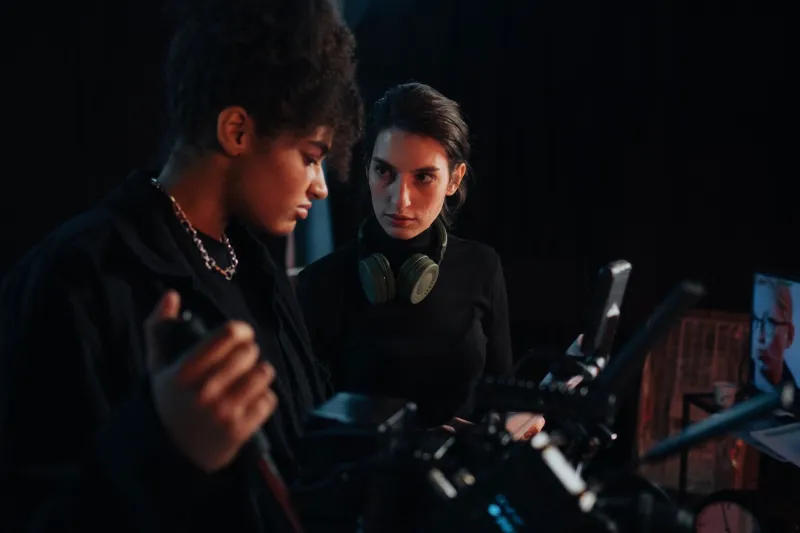
Something weird is happening in indie film and video production right now. Creators who could spend three extra hours color-grading a scene into submission are choosing not to. Directors who know the "right" way to light an interview are skipping the softbox entirely. And audiences — millions of them — are responding with more genuine enthusiasm than anything a perfectly polished production could generate.
Call it the authenticity tax. The price of looking too good, too clean, too controlled is that you start to feel fake. And in 2025, fake is the one thing viewers won't forgive.
The Backlash Against Beautiful
For the better part of a decade, the bar for production quality kept climbing. YouTube creators upgraded from webcams to DSLRs. DSLRs gave way to cinema-grade mirrorless rigs. Color palettes got cinematic. Audio got studio-clean. The whole ecosystem started chasing a version of "professional" that, ironically, made everything feel less personal.
Mainstream streaming platforms didn't help. When Netflix and its competitors started flooding the market with content that looked like it cost a million dollars a minute, indie creators felt the pressure to compete on those terms. A lot of them tried. And a lot of them burned out, blew their budgets, and still couldn't close the gap.
But something shifted. Viewers — especially younger American audiences who grew up watching creators they felt like they knew — started gravitating toward content that felt lived-in. Rough around the edges. Human.
The reaction wasn't just nostalgic. It was almost allergic. Hyper-polished content started triggering a kind of emotional distance. If everything looks like an ad, nothing feels real.
The Texture of Truth
What indie filmmakers are discovering is that imperfection has its own visual language — and it communicates things that a perfectly composed shot simply can't.
A slightly blown-out window in the background of a kitchen scene tells you it's a real house, not a set. A subject who stumbles over a word and then laughs about it tells you this is an actual person, not a rehearsed performance. A handheld shot that drifts a little during an emotional moment mirrors the physical instinct to lean in closer. These aren't mistakes. They're texture. They're the difference between watching something and feeling something.
Documentary filmmakers have known this forever. The shaky cam during a tense scene. The ambient noise that wasn't cleared from the audio track. The moment when the subject glances at the camera and you feel the fourth wall breathe. Those "flaws" are often the most memorable parts of the film.
What's new is that narrative and branded content creators — not just documentarians — are applying the same logic intentionally.
What This Actually Looks Like in Practice
Across the indie production landscape, the shift is showing up in some pretty concrete ways.
Creators are doing fewer takes. Not because they're lazy, but because they've realized that take one or two often has an energy that take twelve can't replicate. There's a spontaneity to early takes — a nervousness, a searching quality — that disappears once everyone gets too comfortable.
Natural lighting is making a comeback in a big way. Not because it's easier (it's actually harder to work with), but because it grounds a scene in a recognizable reality. Sunlight moving across a wall during a conversation makes time feel real. It makes the moment feel like it's actually happening.
More creators are leaving in the stumbles — the pauses, the self-corrections, the moments where something clearly didn't go as planned. Rather than cutting around them, they're building around them. Sometimes those moments become the emotional center of a piece.
And on the production side, this philosophy is genuinely changing cost structures. When you're not chasing technical perfection, you spend less time on set, less time in post, and less money on equipment and crew. Indie teams are finding that a two-person shoot with a single camera and available light can produce content that outperforms a five-day production with a full grip package — at least by the metrics that matter most: shares, comments, and the kind of emotional response that makes someone actually remember what they watched.
The Audience Has Changed the Equation
It's worth being honest about why this is working right now. American audiences have been through a lot — a global pandemic, economic whiplash, a media environment that often feels manufactured and manipulative. There's a widespread hunger for things that feel true. For stories that don't seem to be trying to sell you something, even when they technically are.
That hunger has created an opening for indie creators who are willing to show up as themselves — messy, uncertain, real. The creators who are winning right now aren't necessarily the most technically skilled. They're the ones who have figured out how to make a viewer feel like they're in the room.
And here's the thing about that: it's actually a harder skill than knowing how to light a three-point setup. Anybody can learn the technical stuff. Not everybody can figure out how to be genuinely present on camera, or how to structure a story so that its rough edges feel intentional rather than careless.
Messy Isn't the Same as Lazy
This is worth saying clearly, because there's a version of this conversation that slides into an excuse for sloppy work. Embracing imperfection isn't a license to stop caring about craft. The indie creators who are doing this well are making very deliberate choices about which imperfections to keep and why.
The shaky shot stays because it puts you in the character's emotional state. The ambient noise stays because it anchors you in a real place. The stumbled line stays because it reveals something true about the person speaking. Every kept "mistake" is a choice — which means it still requires the creative judgment that separates good storytelling from bad.
The difference is that the goal has shifted. Instead of asking "does this look polished?" the question becomes "does this feel true?" That's a harder standard to meet, honestly. Polish is measurable. Truth is something you feel in your gut.
What It Means for the Industry
For the indie production world specifically, this shift carries some real implications. It means the barrier to entry is lower in some ways — you don't need a $10,000 camera package to make something that resonates. But it also means the creative bar is higher, because you can't hide behind technical excellence anymore.
It means the relationship between creator and audience is becoming more central than the product itself. The work is almost secondary to the trust — and trust is built through consistency, honesty, and the willingness to be seen as something other than perfect.
For indie filmmakers and video creators navigating this landscape, the opportunity is real. The big studios and streaming platforms can't easily replicate this. Their whole infrastructure is built around polish. Their audiences expect a certain kind of gloss. That's actually their weakness right now — and it's wide open for independent voices who are willing to show up unfiltered.
The seams are showing. Leave them in.