Nobody's Handing Out Green Lights: Why Indie Creators Have to Be Their Own Yes
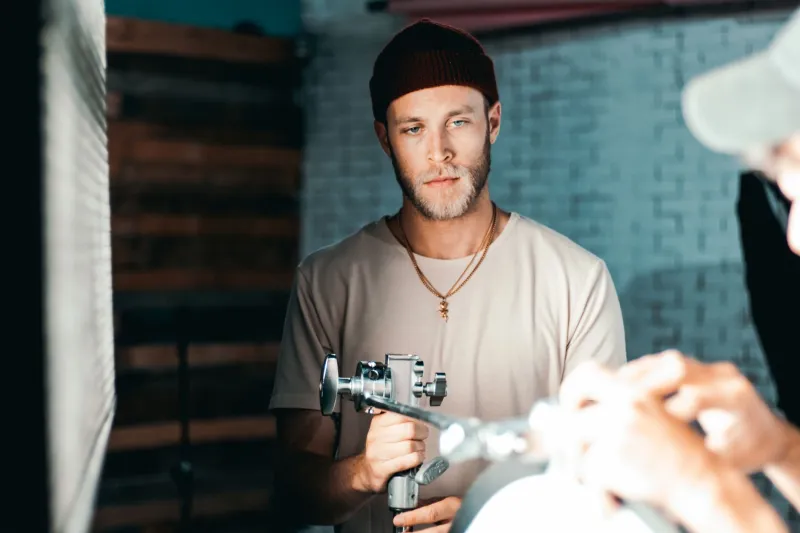
Here's a scene that plays out more often than anyone in the indie world likes to admit. A filmmaker has a sharp concept, a rough script, maybe even a few crew members who are genuinely excited. Then... nothing. Weeks go by. Months, sometimes. They're waiting on a response from a festival submission, a callback from a production company, a nod from someone inside the industry who can tell them their idea is worth pursuing.
The idea doesn't die dramatically. It just quietly starves.
This is the permission problem, and it's quietly gutting more indie careers than bad equipment, tight budgets, or algorithm changes ever could.
The Gatekeeping Myth We Keep Buying Into
American pop culture has spent decades romanticizing the discovery story. The unknown actor spotted at a diner. The script that lands on the right desk at the right moment. The festival breakout that changes everything overnight. We've absorbed these narratives so deeply that a lot of creators have internalized a dangerous belief: that the path forward requires someone else's blessing.
The traditional film industry was genuinely built on gatekeeping. Studios controlled distribution. Networks controlled airtime. Magazines and critics controlled visibility. If you didn't have an in, you didn't have a shot. That model made the permission-seeking instinct completely rational — for about sixty years.
But that's not the industry indie creators are operating in today. Not even close.
Streaming platforms, social video, direct-to-audience distribution, crowdfunding, and community-driven marketing have fundamentally dismantled the old tollbooth system. The infrastructure that made gatekeepers powerful simply doesn't hold the same monopoly anymore. And yet the psychological hangover from that era is still running the show for a lot of creators who should know better.
What Waiting Actually Costs You
Let's get specific about the damage. When a creator stalls a project waiting for external validation, they're not just losing time. They're losing creative momentum, which is genuinely hard to rebuild. They're letting the idea calcify in their head until they've imagined every possible way it could fail. They're watching other people — sometimes with less skill and less vision — move forward on similar projects simply because those creators didn't pause to ask for permission.
There's also a confidence erosion that happens slowly and almost invisibly. Each time you submit something and wait, each time you pitch and get silence, you're training yourself to see your creative output as something that requires external approval to become real. That's a brutal feedback loop to break out of later.
And the kicker? Most of the gatekeepers indie creators are trying to impress aren't spending much time thinking about you. Not because your work isn't good — but because they have their own pressures, their own pipelines, and their own risk calculations that have almost nothing to do with the quality of what you're making.
The Creators Who Didn't Ask
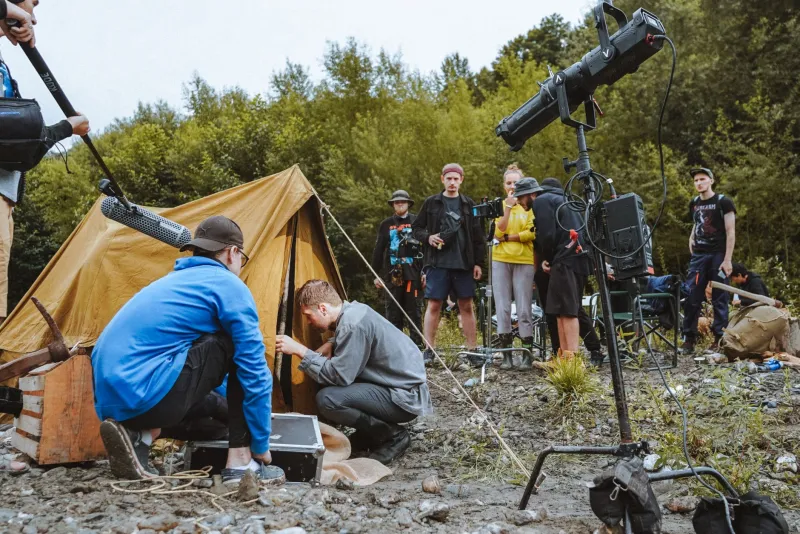
Look at the indie success stories that actually resonate right now, and you'll notice a pattern. Issa Rae didn't wait for a network to validate Awkward Black Girl — she put it on YouTube and built an audience that eventually made the industry come to her. Ava DuVernay distributed her early films herself through a company she founded before the big studios came calling. The guys behind Paranormal Activity made a movie for next to nothing, showed it to audiences directly, and let the reaction do the pitching.
These aren't outliers. They're examples of creators who understood something essential: the work is the pitch. The audience is the green light. The project getting made is the proof of concept.
More recently, short-form creators on platforms like YouTube and TikTok have been translating self-built audiences into legitimate production deals — not by knocking on doors, but by making things so good and so consistent that the doors started opening on their own.
Practical Ways to Stop Waiting and Start Moving
So what does it actually look like to break the permission habit? A few things that work.
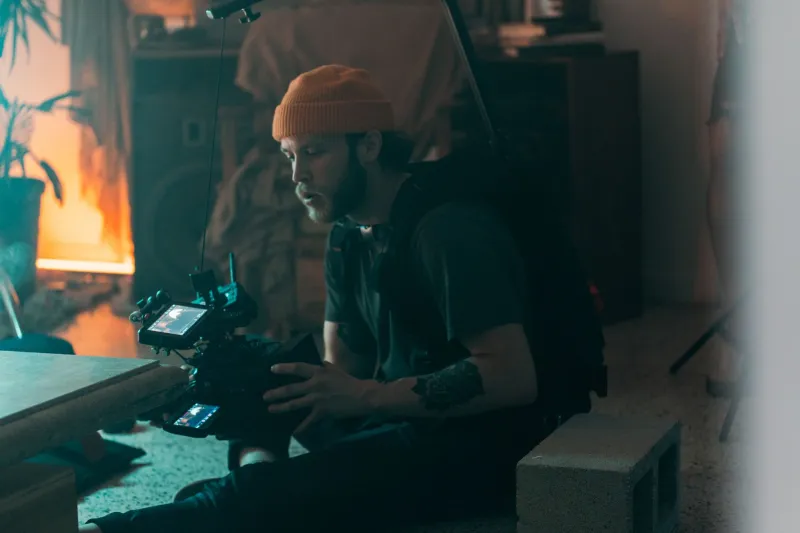
Start smaller than you think you should. The version of your project you can make right now — with the people, gear, and budget you currently have — is infinitely more valuable than the version you're waiting to make once everything lines up perfectly. Constraints breed creativity. That's not just a motivational poster; it's a production reality.
Define your own metric for a green light. If you're waiting for festival acceptance or industry interest, you're outsourcing your creative confidence to people who don't know your vision. Instead, decide what you need to feel ready. A finished script? Three crew members who are in? A rough cut you're proud of? Set that bar yourself and clear it yourself.
Build your audience before you need them. Share the process, the problems, the experiments. An engaged community of even a few hundred people who are genuinely invested in what you're making is worth more to your creative momentum than a cold submission to a company that gets ten thousand a year. That community becomes your distribution channel, your feedback loop, and your proof that the work matters.
Treat rejection as data, not verdict. When the traditional channels say no — and they will, repeatedly — that's information about their current needs and risk tolerance, not a judgment on the quality of your work. File it, learn from it, and keep moving.
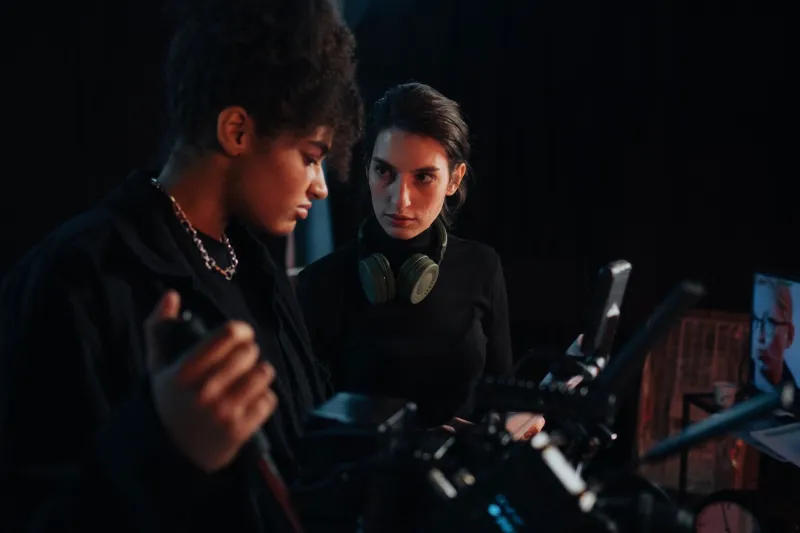
Find your crew of fellow non-waiters. Creative permission-seeking is partly social — it's easier to stall when everyone around you is stalling too. Seek out collaborators who are actively making things, who push projects forward instead of talking about them indefinitely. That energy is contagious in the best possible way.
The Industry Doesn't Owe You a Green Light
Here's the honest truth that's worth sitting with: the film and content industry doesn't exist to discover you. It exists to make money, manage risk, and serve existing audiences. When it does take chances on new voices, it's usually because those voices have already done the hard work of proving themselves outside the system.
That's not cynicism — it's actually liberating once you let it sink in. Because it means the path forward is entirely in your hands. You don't need to crack a code or know the right people or wait for the stars to align. You need to make the work, share the work, and keep going.
The creators who are building real careers in this landscape aren't the ones with the best connections or the most prestigious festival wins. They're the ones who stopped waiting for someone to tell them it was okay to start.
Go make something. Nobody's coming to give you permission — and you don't need it anyway.