Messy Is the Message: How Sharing Unfinished Work Is Changing the Indie Creator Game
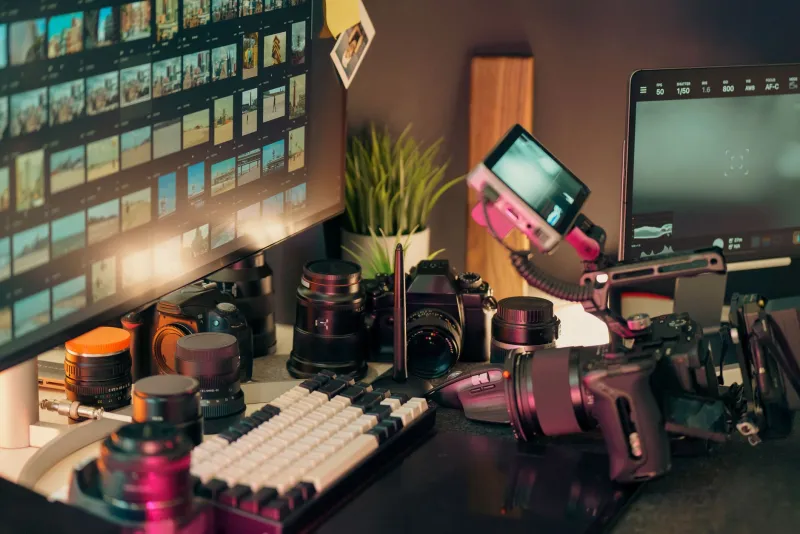
There's a scene that plays out in editing bays and cramped home studios across the country every single day. A filmmaker stares at a rough cut — color uncorrected, audio levels all over the place, a placeholder title card that reads "FIX THIS" in big red letters — and thinks, nobody can see this yet. Then they close the laptop and wait until everything is perfect.
But a growing number of indie creators are doing the exact opposite. They're hitting record on that messy process, slapping it on Instagram Reels or YouTube, and watching their audiences go absolutely wild for it.
Welcome to the era where the rough cut is the content.
Why Audiences Are Obsessed With the "Before"
There's a psychological pull to unfinished things that most of us feel but rarely articulate. Researchers call it the Zeigarnik Effect — the brain's tendency to fixate on incomplete tasks more than completed ones. In practical terms, it means your audience is wired to care more about a story that hasn't ended yet.
When you share a half-edited scene or a shaky handheld test shot, you're not showing weakness. You're opening a loop in your viewer's mind that they genuinely want to see closed. They become invested. They start rooting for you. And when the finished piece finally drops, they feel like they were part of making it happen — because in a real sense, they were.
This isn't just feel-good theory. Creators who regularly post work-in-progress content consistently report stronger engagement rates, longer comment threads, and audiences that convert into paying supporters at higher rates than those who only post polished final products. The unfinished frame is doing emotional heavy lifting that a slick trailer simply can't replicate.
Platforms Are Quietly Rewarding the Process
Here's something worth paying attention to: the major platforms are actively favoring process-driven content right now, even if they're not advertising it that way.
YouTube's algorithm has shown a clear appetite for longer-form "making of" and documentary-style videos, rewarding watch time over click bait. TikTok's creator community has built entire micro-genres around filmmaking process — from gear walkthroughs to color grading tutorials to raw, unscripted reflections filmed on a phone at midnight in a parking lot. Instagram continues to push Reels that feel native and unproduced over anything that looks like a broadcast ad.
The common thread? Authenticity signals. These platforms are trying to surface content that feels human, and there are few things more human than watching someone figure something out in real time.
For indie creators who can't drop $50,000 on a marketing campaign, this is genuinely good news. Your production process — the chaos, the problem-solving, the happy accidents and the frustrating dead ends — is a built-in content engine that costs you nothing extra to run.
The Feedback Loop Nobody's Talking About
Beyond audience psychology and algorithm favorability, there's a deeply practical reason to show your work before it's done: you get better notes.
Traditional film feedback usually comes late, often after months of work have already locked in certain creative decisions. By the time a test audience sees your cut, changing direction feels expensive and demoralizing. But when you're sharing process content regularly, you're running a low-stakes, continuous feedback loop that can genuinely improve your final product.
Post a rough scene and your followers will tell you — often in surprisingly specific terms — what's landing and what's confusing them. Drop a color grade comparison and you'll get instant, passionate opinions. Share a behind-the-scenes clip of a location you were unsure about and watch how your audience responds to the vibe of that space.
This is market research that major studios pay serious money for. Indie creators can get a version of it for free, just by being willing to show the seams.
How to Do It Without Giving Everything Away
Sharing unfinished work doesn't mean dumping raw footage on the internet and hoping for the best. There's an art to revealing the process in a way that builds anticipation rather than killing it.
Be selective about what you show. A rough cut of your opening sequence? Great. The entire film in a pre-color, pre-sound mix? Probably not. Think about what creates curiosity versus what satisfies it prematurely.
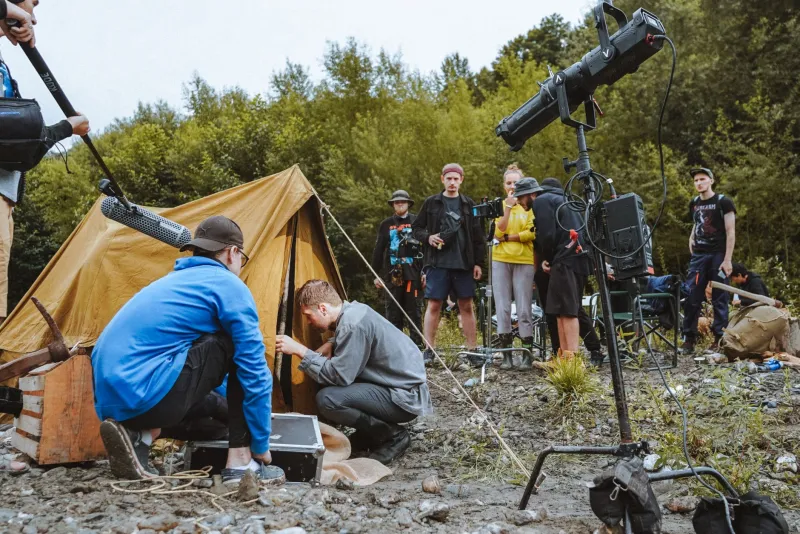
Frame the story around the challenge. "We had three hours to reshoot this entire scene before losing the light" is infinitely more compelling than "here's some footage from our shoot day." The obstacle is the story. Lean into it.
Make your audience feel like collaborators. Ask genuine questions. "We're torn between these two edits — which one hits harder?" gives your followers a real stake in your creative decisions. When they see their input reflected in the final piece, the connection deepens in a way that no polished trailer can manufacture.
Don't perform vulnerability — actually be vulnerable. Audiences have finely tuned radar for fake authenticity. If you're struggling with something on your project, say so. If a shoot went sideways, talk about it honestly. The creators who are winning with process content aren't doing it as a marketing strategy first — they're doing it because they genuinely want to share the journey, and the marketing benefits follow naturally.
The Bigger Shift Happening Under the Surface
Zoom out a little and something interesting comes into focus. The rough cut revolution isn't just a content trend — it's a fundamental renegotiation of what audiences expect from creators.
For decades, the entertainment industry operated on a wall of separation between production and audience. You didn't see the sausage being made. The magic had to appear fully formed or it wasn't magic at all. That model served studios and gatekeepers well, but it kept creators at arm's length from the people they were trying to reach.
Indie filmmakers are tearing that wall down, and audiences are responding with a kind of loyalty that's genuinely hard to manufacture any other way. When someone has watched you wrestle with a scene for three months, they don't just watch your finished film — they champion it. They drag their friends to your premiere. They share your release post without being asked. They become advocates, not just viewers.
That's the real prize hiding inside the messy, imperfect, unfinished frame. Not just engagement metrics or algorithm favor — actual human connection built over the long arc of making something real.
So next time you're staring at that rough cut with the placeholder title card, consider hitting a different button than close. The audience waiting to root for you might be closer than you think.