Slow Burn Winners: Why the Most Durable Indie Careers Are Built on Repetition, Not Virality
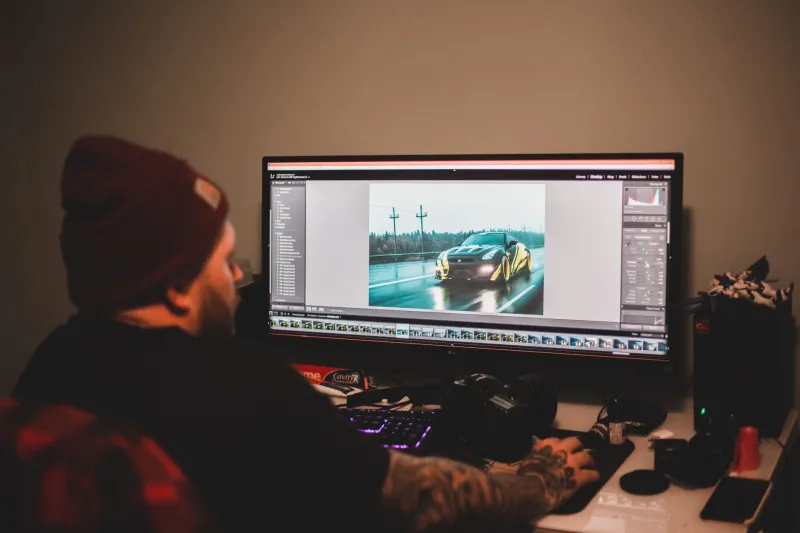
Everybody loves a good origin story. The filmmaker who uploads one short film, wakes up to a million views, and lands a Netflix deal by Thursday. The YouTube creator who posts a single video and somehow ends up on a late-night talk show couch three weeks later. These stories exist — barely — but they get told so often and so loudly that they've warped how a lot of indie creators think about building a career.
The reality? Most of the creators who are actually sustaining themselves in this industry didn't blow up. They built up. Slowly, deliberately, and through a process that's about as glamorous as doing laundry — but just as necessary.
The Viral Myth Is Costing Creators Real Time
Here's the uncomfortable truth about chasing viral moments: it's a strategy built on hope, not craft. When a creator orients their entire output around the possibility of one piece of content catching fire, they're essentially gambling with their creative energy. And most of the time, the house wins.
What gets lost in the obsession with breakout moments is the compounding value of consistent output. Every project you finish — whether it lands with 50 people or 50,000 — teaches you something. Your eye gets sharper. Your workflow tightens. Your instincts about story, pacing, and audience become more reliable. None of that happens in a single viral moment. It happens across dozens of projects, stretched over months or years.
The creators who figure this out early have a serious advantage over everyone still waiting for their big break to arrive from the outside.
Repetition as a Production Strategy
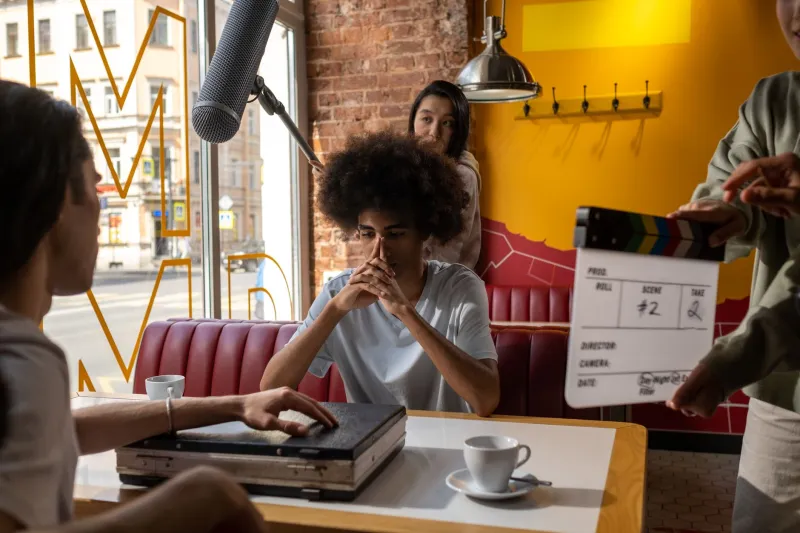
Talk to any indie filmmaker who's managed to stay working for more than a few years, and you'll hear a version of the same thing: they got good by doing it over and over again. Not by perfecting one project in isolation, but by cycling through the full production process repeatedly — pre-production, shoot, edit, release, reflect, repeat.
That cycle is where real skill development lives. Each pass through the process reveals inefficiencies you didn't notice before. You find a better way to prep your shot list. You learn which conversations to have with your DP before you ever step on set. You develop a feel for when a cut is working and when you're just attached to footage you love but the audience won't.
This kind of iterative improvement doesn't make for a great Instagram caption. But it's what separates creators who are still working five years from now from those who burned bright once and disappeared.
Audience Building Is Also a Repetition Game
It's not just craft that compounds through consistency — audiences do too. And this is where a lot of indie creators underestimate what they're building.
An audience that grows incrementally, project by project, tends to be more engaged and more loyal than one that arrives all at once through a viral spike. When someone discovers your work through your third or fourth project, they often go back and watch everything else. They understand your voice. They're invested in where you're going, not just where you've been.
Creators who post sporadically — going quiet for months, then re-emerging with a big swing — often find that their audience has moved on. Algorithms don't reward absence, and neither do human beings. The creators who maintain a steady presence, even when the individual pieces aren't their best work, keep that relationship alive.
Consistency signals something to an audience: I'm here, I'm working, I take this seriously. That signal builds trust in a way that a single impressive release rarely can.
The Workflow Is the Product
One of the most underrated shifts that happens when creators commit to deliberate repetition is that they stop treating each project as a one-off event and start treating their workflow as something worth developing and protecting.
When you know you're going to be making things consistently, you invest differently. You build templates. You develop pre-production checklists that actually reflect how you work, not how some film school textbook says you should work. You figure out which collaborators bring out your best and start building long-term relationships with them instead of assembling a new crew from scratch every time.
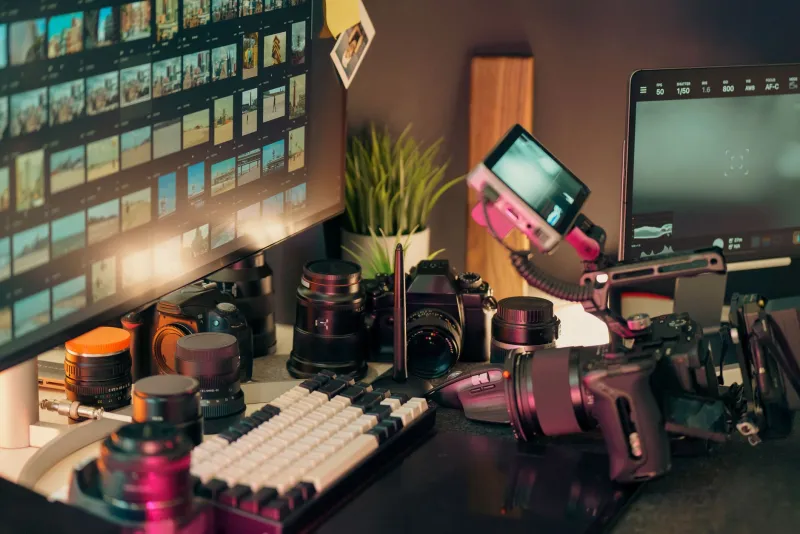
This is where repetition stops being just about volume and starts being about operational excellence. The creator who has a reliable, repeatable production process can move faster, spend less, and maintain higher quality than the one who reinvents the wheel on every project. That's a competitive advantage that compounds over time — and it's almost impossible to build any other way.
What "Showing Up" Actually Looks Like
Let's be specific, because "just be consistent" is advice that sounds simple and isn't. Showing up with intention means a few concrete things.
It means finishing things. Not every project needs to be a masterpiece, but incomplete work teaches you nothing and builds no audience. Finishing — even when you're not fully satisfied — is a skill, and it's one that deliberate repetition develops.
It means releasing things. Creators who finish work but never share it are running in place. The feedback loop between creator and audience is part of the process. Even a small audience response — comments, shares, a conversation in the DMs — gives you information that makes the next project better.
And it means reflecting on things. The creators who improve fastest aren't just prolific — they're intentional about reviewing their own work with honesty. What worked? What didn't? What would you do differently? Without that reflection step, repetition just bakes in bad habits.
The Long Game Is the Only Game Worth Playing
There's a version of the indie creator journey that looks like a straight line from obscurity to overnight success, and then there's the version that actually happens to most people who make it. That second version looks more like a staircase — long flat stretches, then a step up, then another flat stretch, then another step. Progress is real, but it's not linear, and it's rarely photogenic.
The creators who stay in it long enough to take enough steps are the ones who stop measuring success by any single project and start measuring it by the trajectory of their body of work. They're not asking "did this go viral?" — they're asking "am I better than I was six months ago? Is my audience more engaged? Is my process more efficient?"
Those are slower questions to answer. But they're the ones that actually point somewhere worth going.
In an industry that constantly celebrates the exception — the breakout, the discovery, the overnight sensation — the deliberate, repetitive, unsexy work of showing up consistently is genuinely countercultural. And right now, it might be the most powerful creative strategy available to independent filmmakers and content creators who want to still be standing a decade from now.