The Secret Weapon in Your Hard Drive: Rescuing Weak Footage Without Burning Your Budget
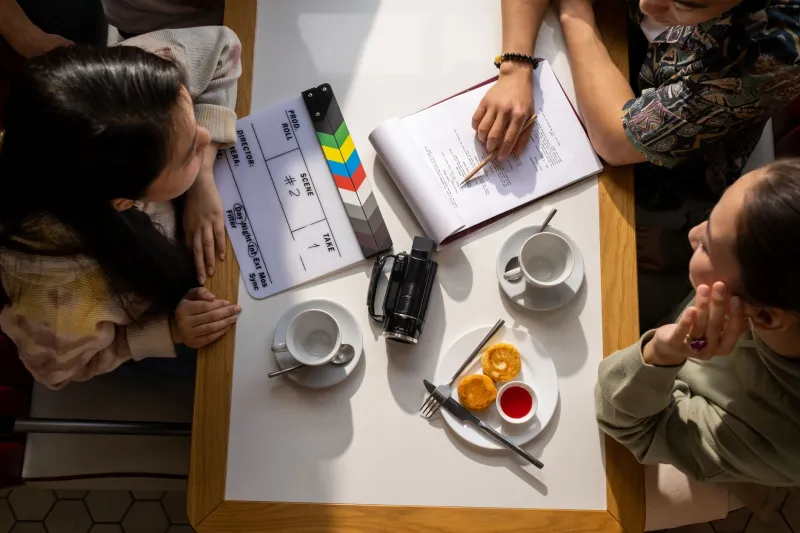
Let's be honest about something. No indie production wraps principal photography with a hard drive full of perfect footage. There are always scenes that fell a little flat, coverage that isn't quite what you imagined, performances that were technically fine but somehow missed the emotional target. On a studio production, you call for reshoots. On an indie production, you figure something else out.
The good news? Figuring something else out has produced some genuinely brilliant filmmaking. Constraints have a way of doing that.
Accepting the Inventory
Before you can fix anything, you have to actually look at what you have — which sounds obvious but is genuinely hard. Most filmmakers approach their weak footage with a mixture of dread and denial, clicking past the shots they don't love and hoping they'll somehow seem better in the edit. They won't. But they also might not be as unfixable as you think.
The most useful thing you can do when you're facing problematic footage is to watch it cold, take notes, and categorize the problems. Is it a performance issue? A coverage issue? A technical problem with the image? Each of those has different solutions, and knowing which one you're dealing with saves you from throwing resources at the wrong fix.
A flat performance and a slightly out-of-focus shot are completely different problems. Treating them the same way is how you waste what little budget you have left.
The Edit Room Is Your First Stop
A surprising number of weak scenes can be substantially improved before you ever consider a pickup day. Editing is where you discover what you actually have, and editors — good ones — are essentially magicians who work with what exists rather than what was supposed to exist.
Cutting away from a flat performance at the right moment, using reaction shots to carry emotional weight that the primary coverage doesn't deliver, restructuring a scene so that its strongest beat lands at the end rather than getting buried in the middle — these are all tools that cost nothing except time and creative problem-solving. Many indie filmmakers reach for a pickup day before they've fully exhausted the edit room, which is almost always a mistake.
Before you book a location or call actors back in, sit in the edit with someone you trust and try to break the scene. You might be surprised how far it can go.
Color Grading as Emotional Surgery
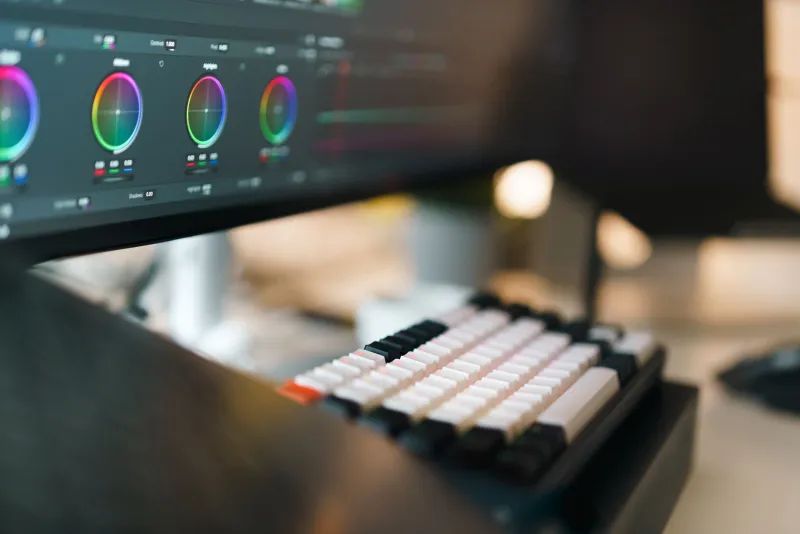
Color grading is one of the most underestimated rescue tools in the indie filmmaker's kit. A scene that feels tonally off, or that was shot in unflattering light, or that just doesn't match the visual grammar of the rest of the film, can often be pulled into alignment through thoughtful grading.
This isn't about slapping a preset on your footage and calling it a day. It's about using color as an emotional instrument — cooling a scene down to create distance, warming it to manufacture intimacy, desaturating to signal psychological pressure. When a scene isn't working and you can't pinpoint exactly why, color grading can sometimes diagnose and treat the problem simultaneously.
The caveat is that color grading can't fix everything, and knowing its limits matters. Grading can shift a scene's emotional register. It can't fix a performance that isn't there, and it can't manufacture coverage that wasn't shot.
ADR: The Invisible Rewrite
ADR — automated dialogue replacement — gets talked about mostly as a technical fix for audio problems, but it's actually one of the most powerful creative tools available when a scene isn't landing the way it should. Replacing dialogue in post isn't just about cleaning up location sound. It's an opportunity to adjust a performance, shift the subtext of a line, or even change what a character is actually saying.
Indie filmmakers who've learned to use ADR creatively will tell you it's essentially a second pass at the performance, and sometimes that second pass is better than anything that happened on the day. The actor is relaxed, there's no crew watching, and the pressure of production is completely gone. In the right hands, ADR sessions can rescue a scene that felt dead on set and give it something it never had before.
The trick is working with actors who are comfortable with the process. Some performers find ADR deeply uncomfortable and struggle to match the energy of their original take. Others thrive in the recording booth. Knowing which one you're working with matters.
The Guerrilla Pickup Day
Sometimes the edit room, the color suite, and the ADR booth aren't enough. Sometimes you genuinely need new footage, and the question becomes how to get it without a real budget.
This is where indie filmmakers have developed some genuinely scrappy and creative approaches. The guerrilla pickup day — a small crew, minimal equipment, maximum flexibility — has become an art form in its own right. The key is surgical precision: you're not reshooting the scene, you're identifying the two or three specific shots that would unlock the whole thing and going to get exactly those.
A close-up that was missed on the day. A cutaway that gives the editor an exit from a problematic moment. A brief insert that establishes something the original coverage assumed but never actually showed. These are the kinds of targeted pickups that cost almost nothing but change everything.
The best pickup days in indie filmmaking history have happened with a camera operator, a director, and an actor in someone's living room for three hours. The results end up seamlessly integrated into the final film, and nobody watching ever knows the difference.
When Constraints Become the Creative
Here's the thing nobody tells you about rescuing weak footage: the process of finding creative solutions to problems you didn't anticipate often produces work that's more interesting than what you originally planned.
The angle you never would have tried if you'd had the coverage you wanted. The performance choice that only emerged in an ADR booth. The edit rhythm that developed because you were working around a problem and accidentally found something better. Constraint is one of the most reliable creative engines in filmmaking, and the indie filmmakers who've learned to embrace it — rather than just survive it — are the ones whose work tends to feel genuinely alive.
Your hard drive full of imperfect footage isn't a failure. It's a creative problem waiting to be solved. And creative problems are kind of the whole point.