Ditch the Clipboard: Why Indie Filmmakers Are Trading Audition Rooms for Real Talk
There's something a little absurd about the traditional audition room when you stop and think about it. You've got a nervous actor standing under fluorescent lights, reciting lines they memorized the night before, while a producer squints at them from behind a folding table. Everyone's performing — the actor, sure, but also the filmmakers. And somewhere in that mutual performance, the thing you actually need to know gets completely buried.
Indie filmmakers are starting to notice. And a lot of them are just... walking away from the whole setup.
The Problem With the Cold Read
Traditional auditions were designed for a studio system that needed to process hundreds of candidates quickly and efficiently. That logic made sense when you were casting a network procedural and needed to move through fifty actors before lunch. But indie productions don't work that way. Most indie projects live or die on the chemistry between a small number of people, and chemistry doesn't show up in a cold read.
What cold reads actually test is how well someone can perform under artificial pressure while reciting unfamiliar material. That's a real skill, but it's not necessarily the skill that makes someone magnetic on a low-budget drama where the director needs an actor who can riff, adapt, and stay emotionally honest through fourteen takes with a camera operator who's also holding the boom pole.
The mismatch between what auditions measure and what indie sets actually need is exactly why so many indie creators are experimenting with something different.
Coffee Shop Chemistry
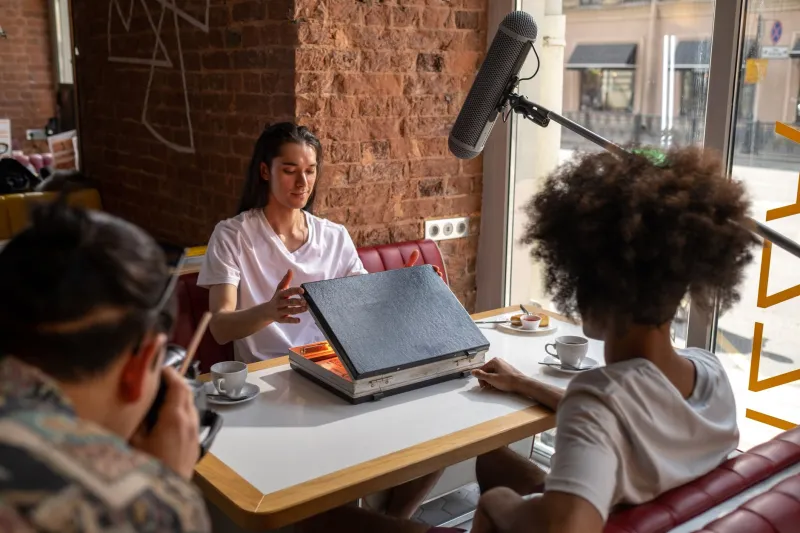
One of the most common alternatives popping up in indie circles right now is the informal meeting — no script, no sides, no camera rolling. Just a conversation. Filmmakers will meet with actors at a coffee shop or a casual spot, talk about the project, talk about the character, and mostly just... see what happens.
What they're looking for isn't a performance. It's curiosity. How does this person engage with ideas? Do they ask interesting questions? Do they listen, or are they just waiting for their turn to impress you? Are they genuinely interested in the story, or are they interested in the opportunity?
Those distinctions matter enormously on an indie set, where actors often need to be creative collaborators rather than just hired talent executing a director's vision. A performer who shows up to a coffee meeting with genuine enthusiasm and a dozen thoughtful questions about the character's backstory is almost always going to be a better fit than someone who nails the cold read but has nothing to say when the script closes.
Workshop Casting and Why It Works
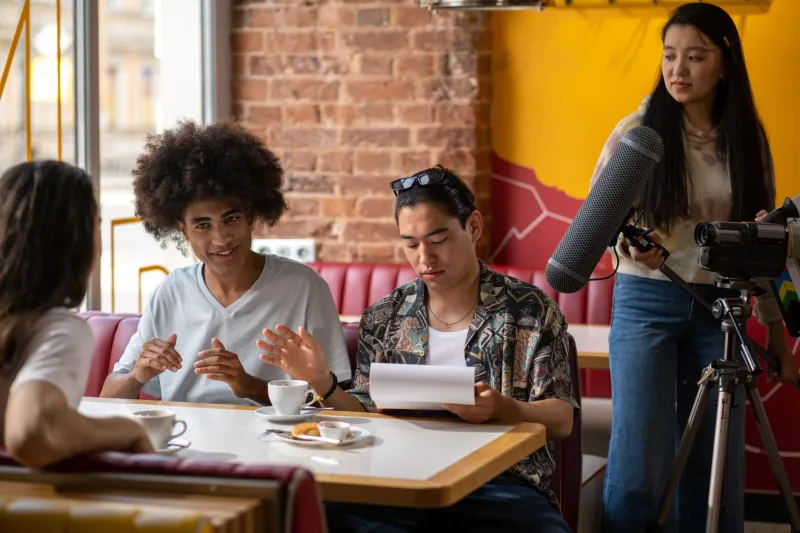
Some indie directors are taking it a step further with collaborative workshop sessions — essentially low-stakes creative labs where a small group of potential cast members work through scenes together, improvise around the material, and interact with each other without the pressure of formal evaluation.
This approach accomplishes a few things at once. It shows you how actors respond to direction in real time, which is incredibly valuable information. It reveals how they handle ambiguity — do they freeze, or do they find something interesting in the uncertainty? And it shows you ensemble chemistry before you've committed to anything, which can save a production from a casting mismatch that doesn't reveal itself until you're three days into principal photography.
Workshop casting also tends to attract actors who are genuinely excited about the collaborative process, which is exactly the energy most indie productions need. The performers who show up ready to play, ready to fail, and ready to try something weird are the ones who make indie films feel alive.
Practical Instincts Over Technical Precision
Here's something indie filmmakers are learning: technical proficiency in an audition setting doesn't always translate to practical instincts on a real set. An actor who delivers a flawless audition monologue might completely fall apart when the director asks them to try the scene in a completely different emotional register, or when the location changes at the last minute and the blocking has to be reinvented on the fly.
Conversational casting processes tend to surface a different kind of readiness — the improvisational intelligence that gets you through the unexpected moments that define indie production. When you've spent an hour talking with someone about their creative process, their influences, and the way they approach a role, you get a much clearer picture of how they'll handle the chaos that's coming.
That's not something a clipboard and a camera in a rented rehearsal space can give you.
The Performances That Come Out the Other Side
Filmmakers who've made the switch to more organic casting processes consistently report something interesting: the performances they get on set feel different. More grounded. More specific. Less like actors playing characters and more like people inhabiting them.
Part of that is selection bias — you're choosing people who are naturally more comfortable with ambiguity and collaboration. But part of it is also the relationship that gets established before the cameras roll. When an actor has had real conversations with a director, when they've been treated like a creative partner from the very first interaction rather than an applicant being evaluated, they show up to set with a different kind of investment.
That investment shows up on screen. Every time.
Making the Shift Without Losing Structure
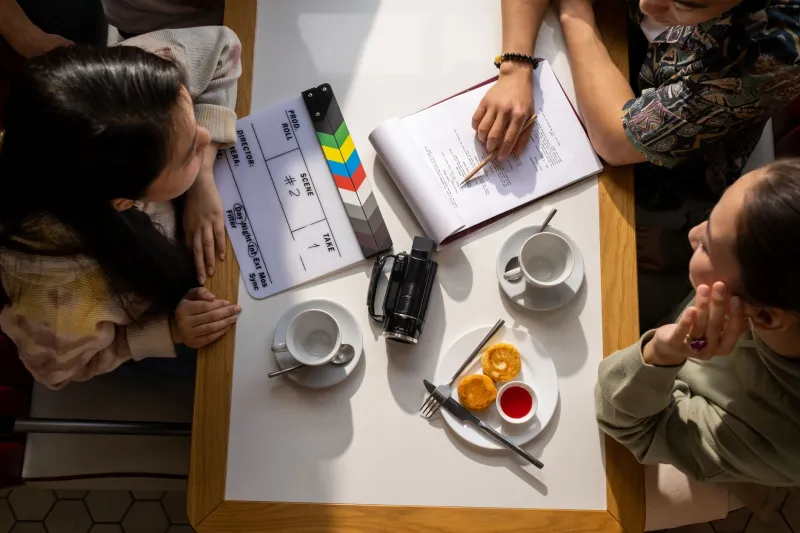
None of this means abandoning all process. The indie filmmakers doing this well aren't just having random hangouts and hoping for the best. They're being intentional about what they're looking for, asking questions that reveal the things they care about, and creating situations — workshops, collaborative exercises, table reads — that give them real information.
The difference is that the structure serves the goal of genuine discovery rather than the performance of evaluation. That's a subtle shift, but it changes everything about how the whole process feels — for the filmmakers and for the actors.
And when the whole process feels more human, the work that comes out of it tends to be a lot more interesting.