Skip the Middleman: How Indie Filmmakers Are Building Actor Rosters That Actually Work
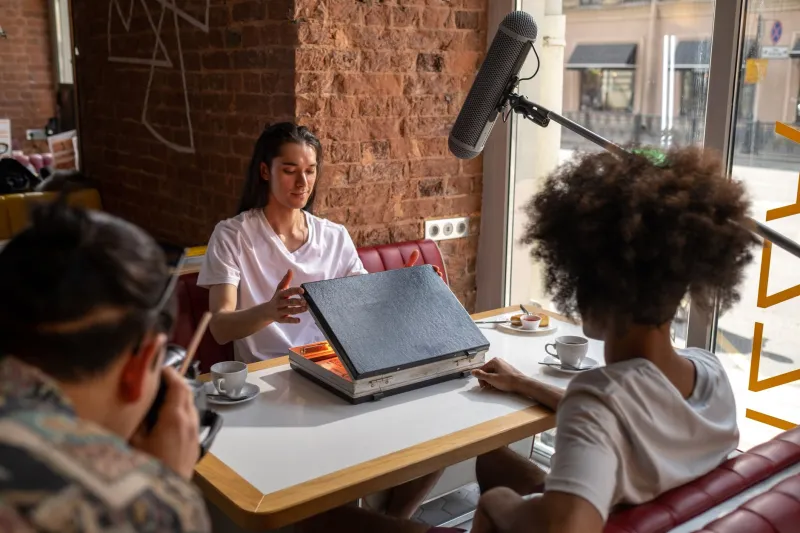
There's a version of filmmaking that looks like this: you write a script, you hire a casting director, they submit to agents, agents submit to managers, managers consult with publicists, and six weeks later you're sitting across from an actor who has no idea what your project is actually about. That pipeline made sense when studios had the infrastructure to support it. For indie producers working with tighter timelines and even tighter budgets, it's starting to feel like a relic.
A different model is quietly taking hold — one where the casting call never gets posted, because the filmmaker already knows who they want. And more importantly, that actor already knows them.
The Old System and Why It's Slipping
Traditional casting infrastructure exists for good reasons. Agents vet opportunities, protect their clients, and help match talent to projects at scale. For studio productions with the budget to pay agency commissions, navigate SAG-AFTRA negotiations, and absorb the overhead of formal submissions, it works. But for indie filmmakers operating outside that financial bracket, the process can feel less like a pipeline and more like a toll road — one where you pay at every booth and still might not reach your destination.
The friction isn't just financial. It's creative. When a project moves through multiple intermediaries before reaching an actor, something gets lost in translation. The vision dilutes. The urgency fades. By the time the talent reads the sides, the project is already a little less alive than it was in the writer's head.
What indie filmmakers are increasingly discovering is that they don't have to play by those rules. Not entirely, anyway.
Building the Bench Before You Need It
The producers making this shift aren't waiting until they have a project to start thinking about casting. They're building relationships continuously — showing up at showcases, staying connected with actors from previous projects, following emerging performers on social media, and treating every collaboration as the beginning of something ongoing rather than a one-time transaction.
Think of it less like casting and more like roster management. A basketball team doesn't rebuild from scratch every season. They develop players, track talent over time, and make decisions based on a deep familiarity with what each person brings to the court. Indie filmmakers who operate this way are essentially doing the same thing — cultivating a go-to pool of performers they trust creatively and know how to work with practically.
This approach pays off in ways that go beyond cost savings. When you've worked with someone before, you already know how they respond under pressure. You know their instincts, their process, their communication style on set. That's information you can't buy with a casting budget. You earn it through time.
The Chemistry Advantage
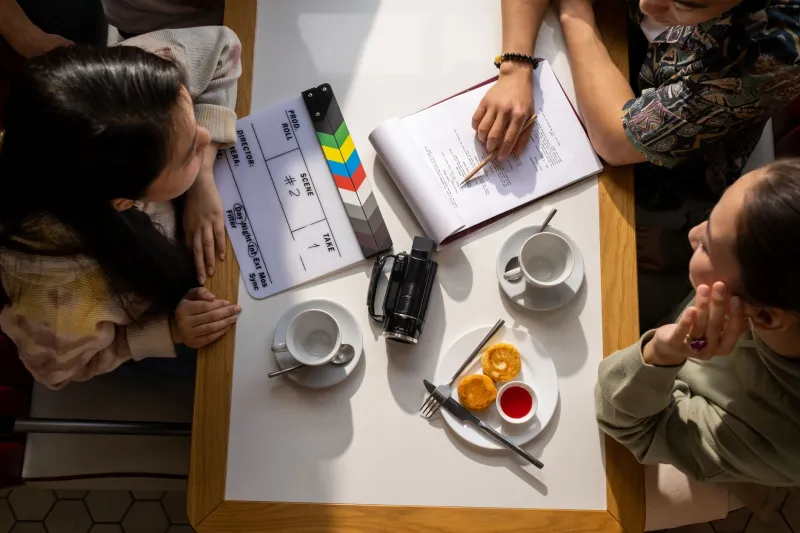
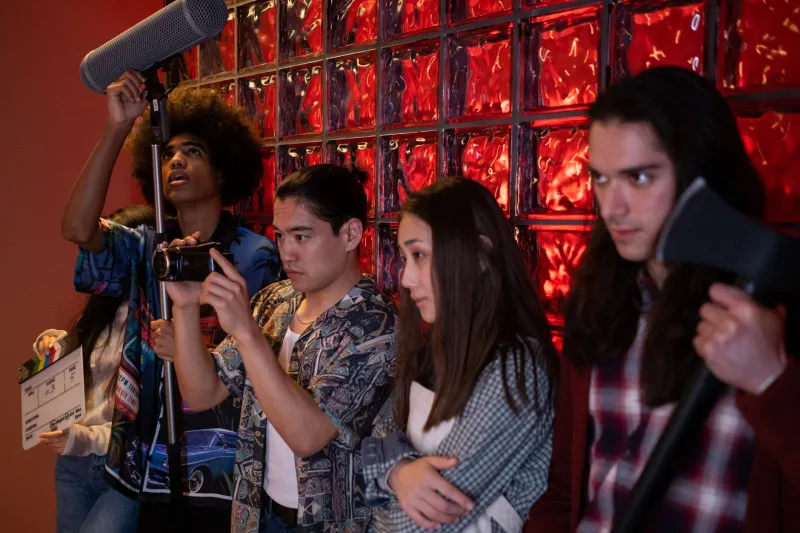
Anyone who's spent time on a film set knows that chemistry between actors isn't magic — it's familiarity. The scenes that feel electric on screen usually come from performers who have developed a shorthand with each other, a trust that allows them to take risks without second-guessing the safety net. Manufactured ensembles, assembled through formal casting processes, can get there eventually. But it takes time that most indie productions simply don't have.
Filmmakers who work with recurring talent start every project with a head start. The chemistry is already there. The actors understand the director's language, the aesthetic the production is reaching for, the level of improvisation that's welcome versus the moments that need to be locked. That shared vocabulary is worth something — and it shows up in the footage.
It also makes the set a more collaborative place. When everyone knows each other, there's less posturing, less uncertainty, and more willingness to try things that might not work. That environment is where the best indie work tends to happen.
What It Looks Like in Practice
This isn't some abstract philosophy. Producers doing this work have developed pretty concrete habits around it. Some keep literal spreadsheets — organized by type, availability, previous projects, and notes from past collaborations. Others are more informal about it, relying on a mental roster they update through ongoing conversation and observation.
Many have found that actors are genuinely receptive to this kind of direct relationship, especially performers who are earlier in their careers and looking for substantive work rather than just credits. The pitch is simple: here's who we are, here's the kind of work we make, and we want you to be part of it on a recurring basis. That offer — consistency, creative investment, a real relationship — is something a lot of agents can't actually provide.
Social media has made the logistics easier than they used to be. A filmmaker can follow an actor's work over years, reach out directly when something feels right, and build a rapport that would have been nearly impossible to develop without institutional infrastructure a decade ago. The tools have democratized access in ways the industry hasn't fully reckoned with yet.
The Limits Worth Acknowledging
This model isn't without its complications. Working outside formal agency structures means navigating contract conversations directly, which requires a baseline of legal literacy that not every indie producer starts out with. There are also real questions around union affiliation, especially for productions that want to work with SAG-AFTRA members. Bypassing agents doesn't mean bypassing those rules, and producers who ignore them can create headaches for everyone involved.
There's also the risk of insularity. A tight ensemble is a creative asset until it becomes a creative echo chamber. The best filmmakers using this model are deliberate about periodically bringing in new voices — not to replace what's working, but to push against it. The goal is a roster that evolves, not one that calcifies.
A Parallel Ecosystem
What's emerging isn't a replacement for traditional casting infrastructure so much as a parallel track running alongside it. For certain kinds of projects — character-driven, low-budget, relationship-dependent — the direct model is increasingly the smarter one. For bigger productions with more moving parts, the formal system still has its place.
But the direction of travel is clear. Indie filmmakers who invest in relationships as a creative strategy, rather than treating casting as a logistical transaction, are building something that compounds over time. Each project adds to the trust. Each collaboration deepens the vocabulary. Each recurring face on screen carries the weight of a shared history.
That's not just good business. That's good filmmaking.