Forget the Slideshow: How a 90-Second Video Is Replacing the Pitch Deck

For decades, the pitch deck was gospel. You had your logline, your mood board, your projected returns, and maybe — if you were feeling bold — a sizzle reel tacked onto the end like an afterthought. You'd walk into a conference room, click through twenty-something slides, and hope the person across the table had enough imagination to see what you were seeing.
That era is quietly wrapping up production.
Across the indie film world and even into mid-tier production circles, a different kind of pitch is getting traction: the short-form video pitch. We're talking 60 to 90 seconds of tight, intentional storytelling — something closer to a trailer than a presentation — designed to land emotionally before the conversation even starts. And the results are turning heads.
Why the Deck Lost the Room
Let's be honest about what a pitch deck actually asks of an investor. It asks them to read. To synthesize. To mentally construct a vision from bullet points and stock photography. For busy VCs and production company execs who are fielding dozens of pitches a month, that's a tall order.
Filmmaker and producer Dana Reyes, who secured backing for her debut feature Hollow Line through a video pitch she posted to a private Vimeo link, puts it plainly: "A deck tells people what you want to make. A video shows them who you are. Those are completely different conversations."
She's not wrong. The psychology here is pretty straightforward. Humans process visual and emotional information faster than text. A well-cut 90-second video can establish tone, demonstrate craft, and communicate passion in a way that twenty slides simply cannot replicate. Investors — especially those without deep film backgrounds — respond to feeling something. A deck rarely makes you feel anything.
What a Video Pitch Actually Looks Like
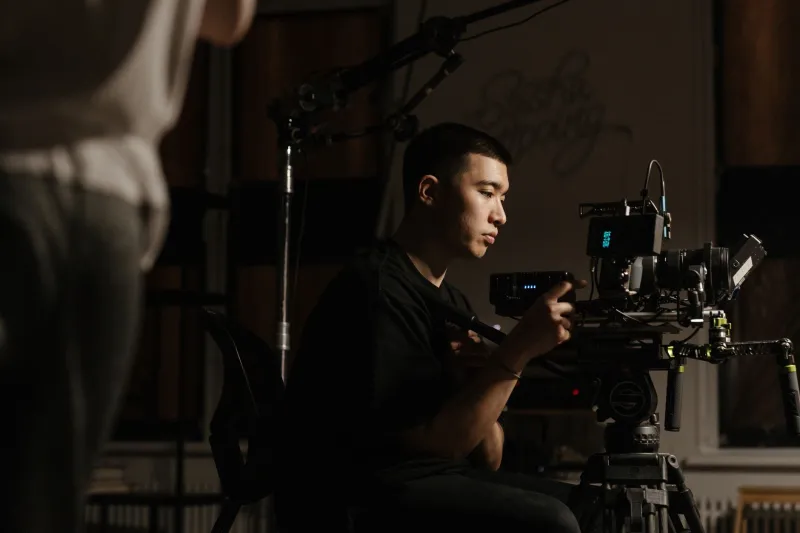
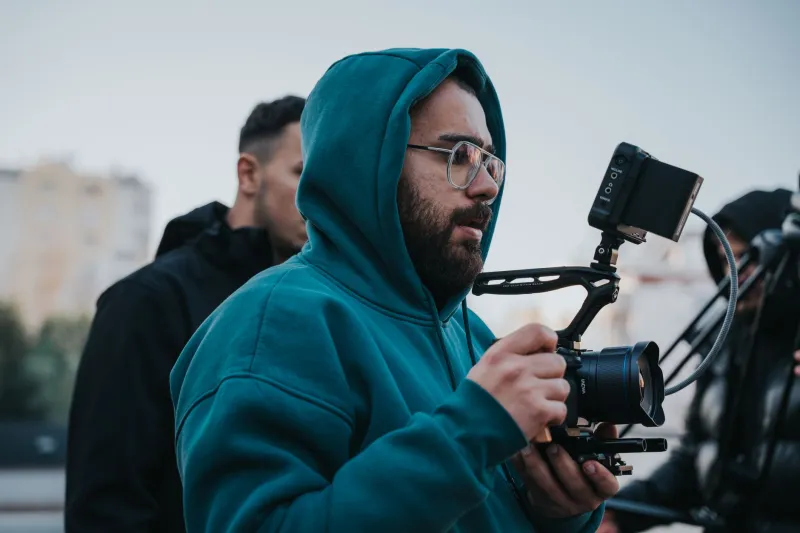
This isn't just slapping a camera on a tripod and talking to it. The filmmakers winning funding this way are treating the pitch video as a micro-production in its own right.
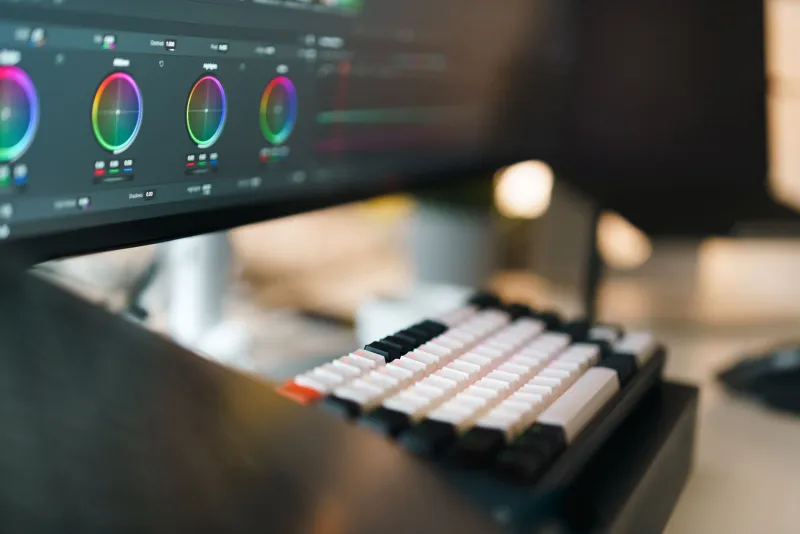
Typically, these videos blend several elements: a brief, direct-to-camera statement from the director or lead producer, a sequence of visual references or original footage that establishes the project's aesthetic, and a tight voiceover or on-screen text that covers the essential "why this, why now, why us" framework. The whole thing is scored, color-graded, and cut with the same care you'd give your actual project.
Producer Marcus Webb, who used this approach to fund a documentary series about urban farming collectives in the Midwest, described his process: "I spent three days shooting. One day editing. The video cost me maybe $400 to make, including music licensing. It got us a meeting with a streaming platform that had never responded to any of our previous emails."
That's the other thing worth noting — these videos travel. A deck lives in someone's inbox. A video gets forwarded. It gets shared in Slack channels. It gets watched at midnight when someone's scrolling through their phone. The format is native to how people actually consume content in 2024.
The Psychology Behind Why It Works
Venture capitalists and entertainment investors are not a monolith, but there's a common thread: they're betting on people as much as projects. A video pitch collapses the distance between the creator and the investor in a way that a formatted document never can.
When you watch someone speak directly to camera — when you see how they move, how they frame a shot, how they choose music — you're getting a sample of their creative judgment in real time. It's an audition and a business proposal wrapped into one.
There's also the credibility signal. If a filmmaker can make a compelling, well-produced 90-second video on a limited budget, they've already demonstrated something crucial: they know how to do more with less. For indie investors especially, that's not a small thing.
Building Your Video Pitch: A Practical Roadmap
If you're ready to retire the deck and go visual, here's a framework that's working for creators right now.
Start with the hook. Your first ten seconds need to earn the next eighty. Open with a striking image, a provocative question, or a line of dialogue that immediately establishes the emotional world of your project. Don't introduce yourself first — make them want to know who you are.
State the project clearly, but briefly. One to two sentences, max. Genre, logline, format. Investors don't need the full treatment here — they need enough to orient themselves.
Show your vision. This is the heart of the video. Reference footage, original test shoots, visual comparisons to existing work — whatever communicates the look and feel of what you're building. This is where your cinematographic instincts should shine.
Make the ask human. Close with a direct, confident statement about what you need and why you're the person to pull it off. No desperation. No over-explaining. Just clarity and conviction.
Keep it under 90 seconds. Seriously. Editing yourself down is part of the pitch.
The Format Isn't Going Anywhere
Short-form video has reshaped how audiences consume stories, how brands communicate, and how creators build audiences. It was probably only a matter of time before it started reshaping how films get funded.
The pitch deck isn't dead-dead — there's still a place for supporting documentation, budget breakdowns, and formal proposals once you're deeper into conversations. But as a first impression? As the thing that gets you in the room? The video pitch is increasingly the move.
At Undroid Productions, we've watched this shift happen in real time, and honestly, it makes a lot of sense. Film is a visual medium. It always has been. Maybe it just took the streaming era and a generation of creators raised on YouTube to remind the funding world of that.
If your project deserves to be seen, start by making something worth watching.